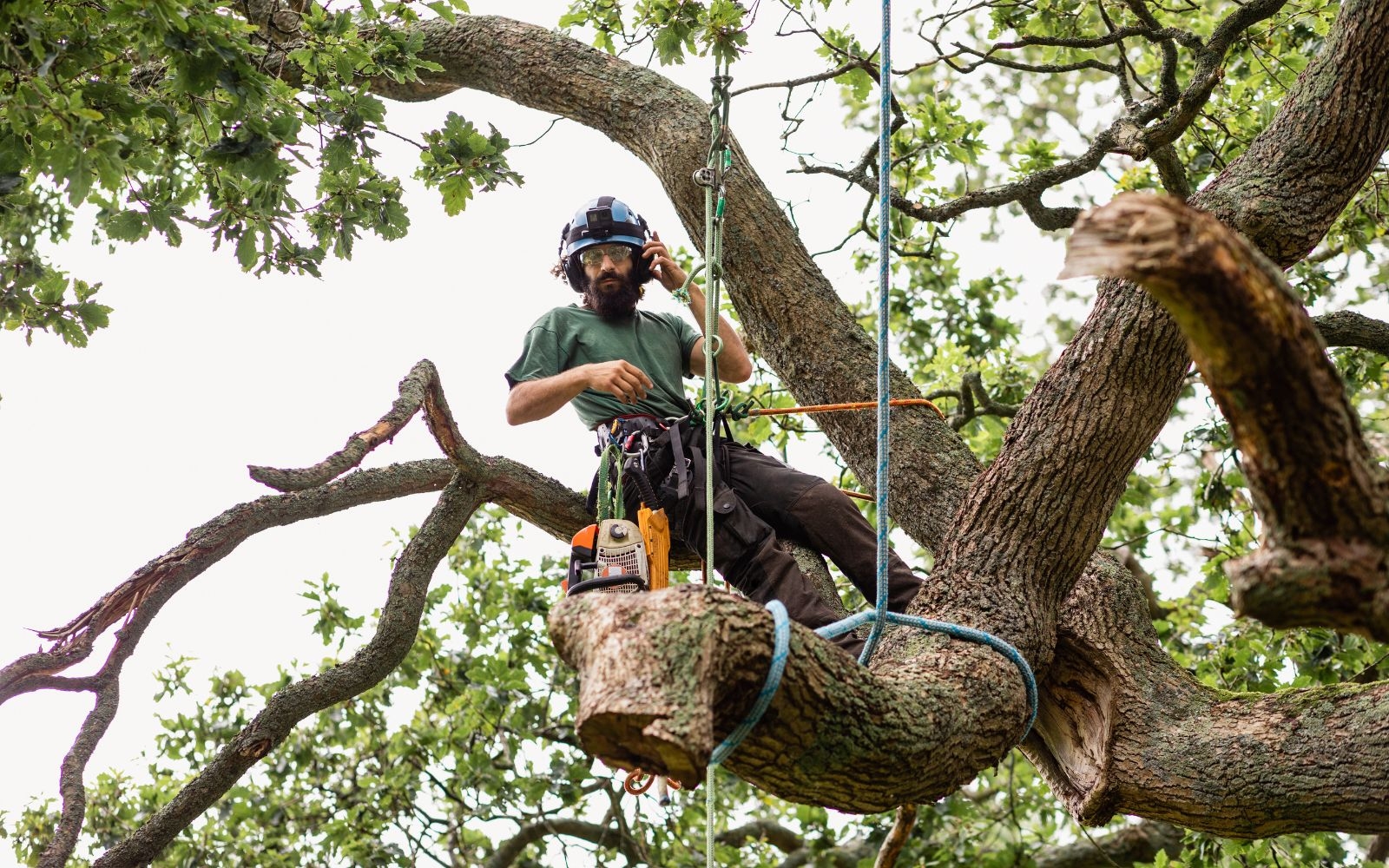
Tree Removal services by qualified staff for safe removal of trees of any size.
Tree Pruning services to enhance tree health, aesthetics, and property safety.
Tree Lopping, Cutting, and Removal for large or hazardous branches and trees.
Palm Tree Removal including stumps, fronds, leaves, seeds, and fruit.
Hedge Pruning for neat, attractive, and safe hedge growth.
Land Clearing for residential, commercial, and agricultural areas, including large-scale projects.
Block and Land Clearing for property preparation, construction, or landscaping.
Stump Grinding with modern machinery to remove all traces of tree stumps.
Commitment to protecting property and surrounding areas during tree services.
Trusted location at Unit 9/169 Beavers Rd, Northcote VIC 3070, serving Melbourne homeowners and businesses.
Use of modern, high-quality equipment and safety gear for all tree care operations.
Comprehensive insurance coverage for all services, ensuring client peace of mind.
Identification of hazards including overgrown branches, storm damage, proximity to cables, and invasive roots.
Professional handling of pest infestations and excessive or misdirected tree growth.
Efficient, experienced, and results-driven service for timely project completion.
Property clearing is a crucial aspect of maintaining various property types, whether residential, commercial, or agricultural. Melbourne Tree Removal Experts is a trusted provider of professional tree services across Melbourne and surrounding suburbs. With a qualified and experienced team, we specialise in safe, efficient and affordable solutions for all types of tree care needs. Whether you require complete tree removal, detailed pruning, hedge shaping or large-scale land clearing, our experts are equipped with modern machinery and industry-standard safety gear to deliver outstanding results. Melbourne Tree Removal Experts Our comprehensive service range includes tree removal for trees of any size or condition, ensuring the safety of your property and the surrounding environment. We also offer expert tree pruning to improve tree health, encourage strong growth and enhance the overall appearance of your landscape. For properties that require extensive preparation, our land-clearing services cover residential, commercial and agricultural sites. We have the heavy-duty equipment needed for larger projects, from clearing shrubs to removing mature trees.. A well-maintained property not only enhances its aesthetic appeal but also ensures safety and functionality. For residential properties, clearing involves more than just keeping the lawn trimmed; it includes removing debris, managing overgrown vegetation, and ensuring pathways are clear. This not only improves curb appeal but also prevents potential hazards such as fire risks and pest infestations.
Key Benefits of Property Clearing:
In commercial settings, the importance of property clearing is even more pronounced. A tidy and well-cleared commercial property reflects professionalism and can significantly impact the impression of clients and customers. Regular clearing helps maintain clear signage, unobstructed parking lots, and safe walkways, which are essential for the smooth operation of any business.
Agricultural properties, on the other hand, require thorough clearing to maximize productivity. Overgrown areas can hinder crop growth and harbor pests, affecting yield and quality. Stump grinding is another essential service we provide, ensuring that leftover stumps are thoroughly removed to prevent regrowth, pests or safety hazards. Additionally, we specialise in palm tree removal and cleanup, handling fronds, seeds and palm waste with care. Our hedge trimming services keep your garden looking neat, healthy and beautiful year-round. Melbourne Tree Removal Experts Melbourne’s unique landscape makes proper tree care essential. Overgrown or unhealthy trees can create risks such as pest infestations, fire hazards, storm damage or interference with power lines and underground utilities. Signs your trees may need attention include branches touching your home, dead or diseased growth, storm damage, roots encroaching on structures or excessive growth in unwanted directions.. Effective clearing ensures that fields are well-prepared for planting and harvesting, and that equipment can be used efficiently without obstruction.
Overall, the importance of property clearing cannot be overstated. It plays a vital role in maintaining the value, safety, and functionality of any property type. Investing in regular clearing services can prevent larger, more costly issues in the future and ensure that properties remain a safe and inviting space for occupants and visitors alike.
When it comes to clearing residential areas, there are several key considerations and steps to ensure the process is both effective and efficient. First, it's important to assess the property thoroughly. This involves identifying any potential hazards such as unstable structures, overgrown vegetation, or debris that could impede progress. Conducting a comprehensive assessment helps in planning the clearing process and ensuring all necessary precautions are taken.
Key Steps in the Clearing Process:
Once the assessment is complete, it's crucial to create a detailed plan. This plan should outline the specific areas that need attention, prioritize tasks based on urgency and importance, and allocate resources accordingly. Having a clear plan ensures that the clearing process is organized and minimizes disruptions to the residents.
Safety should always be a top priority during the clearing process. This means wearing appropriate protective gear, using the right tools for the job, and ensuring that all safety protocols are followed. When working in residential areas, it's also important to communicate with residents about the planned activities, timelines, and any potential impacts on their daily lives.
Environmental considerations are also essential. This includes disposing of debris responsibly, recycling materials where possible, and minimizing the impact on local wildlife and vegetation. It's important to adhere to local regulations and guidelines to ensure that the clearing process is environmentally sound.
Finally, regular follow-up and maintenance are key to keeping residential areas clear and tidy. This involves periodic inspections and addressing any issues that arise promptly. By taking these steps, property owners and managers can ensure that residential areas remain safe, clean, and welcoming for all residents.
Regular cleaning is essential for maintaining a presentable and hygienic commercial environment. It involves scheduling daily or weekly cleaning tasks to prevent the accumulation of dirt and clutter. This routine helps create a welcoming atmosphere for both clients and employees. Implementing a systematic cleaning schedule can also extend the lifespan of office equipment and furnishings. Additionally, regular cleaning reduces the risk of health issues among staff, thereby decreasing absenteeism and boosting productivity.
Effective clutter management is vital in commercial spaces to enhance both functionality and aesthetics. This involves organizing workspaces to ensure that only necessary items are present, thereby reducing distractions. Implementing storage solutions like filing cabinets and shelves can help maintain a tidy workspace. Regular decluttering sessions should be encouraged to dispose of outdated or unused materials. A clutter-free environment not only boosts employee morale but also projects a professional image to clients and visitors.
Maintaining good air quality is crucial in commercial settings to ensure a healthy work environment. This can be achieved by ensuring proper ventilation and using air purifiers to reduce pollutants. Regular maintenance of HVAC systems is important to prevent the circulation of dust and allergens. Additionally, incorporating indoor plants can naturally enhance air quality while adding a touch of nature to the workspace. Prioritizing air quality can lead to improved concentration and overall employee well-being.
Efficient waste disposal is a key aspect of cleanliness in commercial properties. Establishing a clear waste management policy helps in segregating recyclable and non-recyclable materials. Providing adequate waste bins and educating staff on proper disposal methods are important steps in this process. Regular collection and disposal of waste prevent unpleasant odors and pest infestations. Moreover, adopting sustainable waste practices can contribute positively to the company's environmental goals.
Sanitization practices are critical in preventing the spread of germs and maintaining a healthy commercial environment. High-touch surfaces such as door handles, keyboards, and phones should be disinfected regularly. Providing hand sanitizers at strategic locations encourages good hygiene among employees and visitors. Training staff on proper sanitization techniques can further enhance the effectiveness of these practices. By prioritizing sanitization, businesses can ensure a safer and more comfortable space for everyone.
When managing industrial sites, thorough clearing is not just a task but a necessity. These vast spaces often house complex machinery, hazardous materials, and intricate infrastructure, making their management a critical endeavor. To ensure a clean, safe, and efficient environment, several essential practices must be followed.
Next, the use of specialized equipment is paramount. Industrial sites often require heavy-duty machinery for clearing purposes. Bulldozers, excavators, and industrial-grade vacuums should be employed to handle large debris and ensure that all areas are addressed adequately. Regular maintenance of this equipment is equally important to prevent breakdowns during operations.
Firstly, a comprehensive site assessment is crucial. This involves identifying potential hazards, understanding the layout, and recognizing all elements that require attention. Engaging with site managers and employees can provide valuable insights into areas that might be frequently overlooked.
Key Considerations for Industrial Site Clearing:
Moreover, safety protocols cannot be overstated. Workers involved in clearing should be equipped with appropriate personal protective equipment (PPE) such as helmets, gloves, and steel-toed boots. Implementing strict safety guidelines and conducting regular training sessions can significantly reduce the risk of accidents.
Environmental considerations should also be part of the clearing process. Proper disposal methods for waste materials, especially hazardous ones, are essential to comply with environmental regulations and minimize ecological impact. Partnering with certified waste management companies can ensure that these materials are handled and disposed of responsibly.
Lastly, regular monitoring and evaluation of the clearing process help in maintaining high standards. Continuous feedback from the workforce and periodic audits can highlight areas for improvement, ensuring that the industrial site remains clean, safe, and operationally efficient at all times.
Maintaining and clearing undeveloped land requires a strategic approach to ensure the area is safe, environmentally friendly, and ready for future development. The first step in this process is conducting a thorough assessment of the land. This involves identifying any potential hazards, such as debris, invasive plant species, or standing water, which could pose risks to both the environment and any future development plans. Once these elements are identified, a tailored plan can be developed to address them effectively.
Key Considerations for Land Clearing:
One effective method of clearing undeveloped land is through mechanical means, using equipment such as bulldozers and excavators. These machines can efficiently remove large debris, trees, and shrubs, ensuring that the land is cleared quickly and thoroughly. However, it is crucial to consider the environmental impact of using heavy machinery, as it can lead to soil compaction and disturbance of natural habitats. Therefore, in areas where environmental conservation is a priority, alternative methods such as manual clearing or controlled burning might be more appropriate.
Additionally, maintaining undeveloped land involves regular monitoring to prevent the regrowth of unwanted vegetation and to manage any emerging issues. Implementing a sustainable land management plan can help maintain the cleared area, incorporating practices such as regular mowing, herbicide application, or even introducing grazing animals to naturally control vegetation growth. These practices not only keep the land tidy but also promote healthy soil and biodiversity.
Ultimately, the approach to maintaining and clearing undeveloped land should be tailored to the specific characteristics of the property and the goals of the landowner. By balancing efficiency with environmental sensitivity, property owners can ensure their undeveloped land remains an asset, whether for future development or conservation purposes.
When it comes to property clearing, having the right tools and machinery is essential for ensuring efficiency and thoroughness. For smaller tasks, hand tools like pruners, shears, and rakes are indispensable. They allow for precision work around delicate areas such as flower beds and shrubbery. For larger projects, more robust equipment becomes necessary. Chainsaws are a staple for cutting through thick branches and tree trunks, while brush cutters are ideal for tackling dense undergrowth and overgrown grass.
Key Tools for Property Clearing:
For medium to large-scale property clearing, power tools such as hedge trimmers and leaf blowers can significantly reduce the time and effort required. Hedge trimmers provide even cuts along hedges and bushes, maintaining a neat appearance, whereas leaf blowers are perfect for quickly clearing leaves and debris from lawns and pathways.
In situations where heavy-duty clearing is required, machinery like tractors, bulldozers, and excavators come into play. These machines are capable of handling extensive land clearing, including the removal of trees, stumps, and rocks. Tractors equipped with attachments like mowers or tillers can manage vast areas efficiently, preparing the ground for new landscaping or construction projects.
Safety is a crucial consideration when using any of these tools and machinery. Personal protective equipment (PPE) such as gloves, goggles, and helmets should always be worn to prevent injuries. Additionally, understanding the operational guidelines and limitations of each tool is vital to avoid accidents and ensure the longevity of the equipment.
Whether it's a small garden or a sprawling estate, having the right combination of tools and machinery tailored to the specific needs of the property can make all the difference in achieving a clean, tidy, and thorough clearing.
In recent years, the importance of eco-friendly clearing practices has become more pronounced as individuals and businesses strive to minimize their environmental impact. Sustainable clearing methods not only preserve local ecosystems but also enhance the long-term health of the land. One effective approach is the use of manual tools and low-emission machinery, which significantly reduces carbon footprints compared to traditional heavy machinery. By prioritizing these tools, property owners can limit soil compaction and preserve the natural landscape.
Another sustainable practice involves the strategic planning of clearing activities. By assessing the specific needs of the land and considering the natural habitats present, property owners can ensure minimal disruption to wildlife. This might include scheduling clearing activities during non-breeding seasons or preserving certain areas as natural habitats.
Moreover, the incorporation of permaculture principles can further enhance sustainability. This involves designing the cleared landscape in harmony with nature, such as integrating native plants that require minimal water and maintenance. These plants not only thrive in local conditions but also support biodiversity by providing food and shelter for native species.
Recycling and repurposing cleared materials is another eco-friendly practice. Instead of burning or discarding debris, wood can be chipped for mulch, and stones can be used for landscaping features. This not only reduces waste but also enriches the soil and contributes to a healthier ecosystem.
Ultimately, adopting eco-friendly clearing practices is a commitment to sustainability that benefits both the environment and the property owner. By making informed choices, individuals can contribute to a healthier planet while maintaining the beauty and functionality of their property.
Navigating the legal landscape of property clearing is essential for ensuring compliance and avoiding potential fines or legal issues. Each jurisdiction may have its own set of regulations, which can vary significantly based on the property type and location. It is crucial to familiarize yourself with local laws, as these rules are often designed to protect the environment, preserve historical sites, and ensure public safety.
For residential properties, regulations might focus on maintaining neighborhood aesthetics and preventing hazards such as fire risks. This might include rules about the height of grass or the types of debris that must be removed. Commercial properties, on the other hand, could face stricter requirements due to their potential impact on surrounding areas, including guidelines on waste disposal and environmental impact assessments.
Agricultural properties often have unique considerations, such as the need to adhere to sustainable practices and protect natural waterways. Understanding these requirements not only helps in maintaining compliance but also supports long-term land productivity and ecological balance.
Before commencing any clearing activities, it is advisable to consult with local authorities or a legal expert to ensure that all necessary permits and approvals are obtained. This step can prevent costly delays and modifications down the line. Additionally, staying informed about any updates to regulations is key, as laws can evolve in response to environmental concerns and community needs.
Ultimately, understanding and adhering to legal requirements in property clearing is not just about compliance; it reflects a commitment to responsible property management and stewardship, benefiting both the property owner and the wider community.
When undertaking clearing activities, ensuring safety and conducting thorough risk assessments are paramount. The primary objective is to protect workers, property, and the environment from potential hazards. Before any clearing begins, a comprehensive risk assessment should be conducted to identify potential dangers such as unstable structures, hazardous materials, or uneven terrain. This assessment helps in formulating a strategic plan to mitigate these risks effectively.
Key Safety Measures:
Personal protective equipment (PPE) is essential for all personnel involved in clearing activities. Depending on the nature of the work, this may include hard hats, gloves, protective eyewear, and steel-toed boots. Moreover, workers should be trained in the proper use of machinery and equipment, with regular maintenance checks to prevent malfunctions that could lead to accidents.
Communication plays a critical role in safety management. Establishing clear communication channels ensures that all team members are aware of potential hazards and the measures in place to address them. It is also important to have emergency protocols in place, including first aid supplies and procedures for contacting emergency services if necessary.
Environmental considerations should not be overlooked during the clearing process. Measures should be taken to minimize soil erosion, protect local wildlife, and avoid contamination of nearby water sources. By implementing these safety measures and conducting detailed risk assessments, property clearing activities can be carried out efficiently and responsibly, safeguarding both people and the environment.


Tree care is the application of arboricultural methods like pruning, trimming, and felling/thinning[1] in built environments. Road verge, greenways, backyard and park woody vegetation are at the center of attention for the tree care industry. Landscape architecture and urban forestry[2][3] also set high demands on professional tree care. High safety standards against the dangers of tree care have helped the industry evolve. Especially felling in space-limited environments poses significant risks: the vicinity of power or telephone lines, insufficient protective gear (against falling dead wood, chainsaw wounds, etc.) and narrow felling zones with endangered nearby buildings, parking cars, etc. The required equipment and experience usually transcends private means and is often considered too costly as a permanent part of the public infrastructure. In singular cases, traditional tools like handsaws may suffice, but large-scale tree care usually calls for heavy machinery like cranes, bucket trucks, harvesters, and woodchippers.
Road side trees are especially prone to abiotic stress by exhaust fumes, toxic road debris, soil compaction, and drought which makes them susceptible to fungal infections and various plant pests[4] like the spotted lantern fly.[5] When tree removal is not an option, because of road ecology considerations, the main challenge is to achieve road safety (visibility of road signs, blockage-free lanes, etc.) while maintaining tree health.

While the perceived risk of death by falling trees (a part of the "tree risk" complex) is influenced by media and often hyped (the objective risk has been reported to be close to 1 : 10.000.000, almost as low as death by lightning),[6] singular events have encouraged a "proactive" stance so that even lightly damaged trees are likely to be removed in urban and public traffic surroundings.[3] As a tree ages and nears the end of its safe useful life expectancy (SULE),[7] its perceived amenity value is decreased greatly. A risk assessment normally carried out by local council's arborist to determine the best course of action.[8] As with all public green spaces, trees in green urban spaces and their careful conservation is sometimes in conflict with aggressive urban development even though it is often understood how urban trees contribute to liveability of suburbs and cities both objectively (reduction of urban heat island effect, etc.) and subjectively.[9][10][11][12] Tree planting programs implemented by a growing number of cities, local councils and organizations is mitigating the losses and in most cases increasing the number of trees in suburbia.[13] Programs include the planting of 2 trees for every 1 tree removed, while some councils are paying land owners to keep trees instead of removing them for farming or construction.[14]
The voluntary industry consensus standards developed by TCIA, resulted in the ANSI A300 standard, the generally accepted industry standard for tree care practices including trees, shrubs, and other woody plants.[15] It includes the following parts:
Urban Forestry maintains 4.1 million trees on public property, which includes an estimated 3.5 million trees within Toronto's parks and ravines, and approximately 600,000 trees on City streets. ... The focus of our maintenance service is shifting progressively from reactive maintenance to proactive maintenance.
cite web: CS1 maint: multiple names: authors list (link)Ho Chi Minh City has announced a plan to move and cut down 300 trees on Ton Duc Thang Street in District 1 to make space for a bridge connecting to District 2 and a metro station.