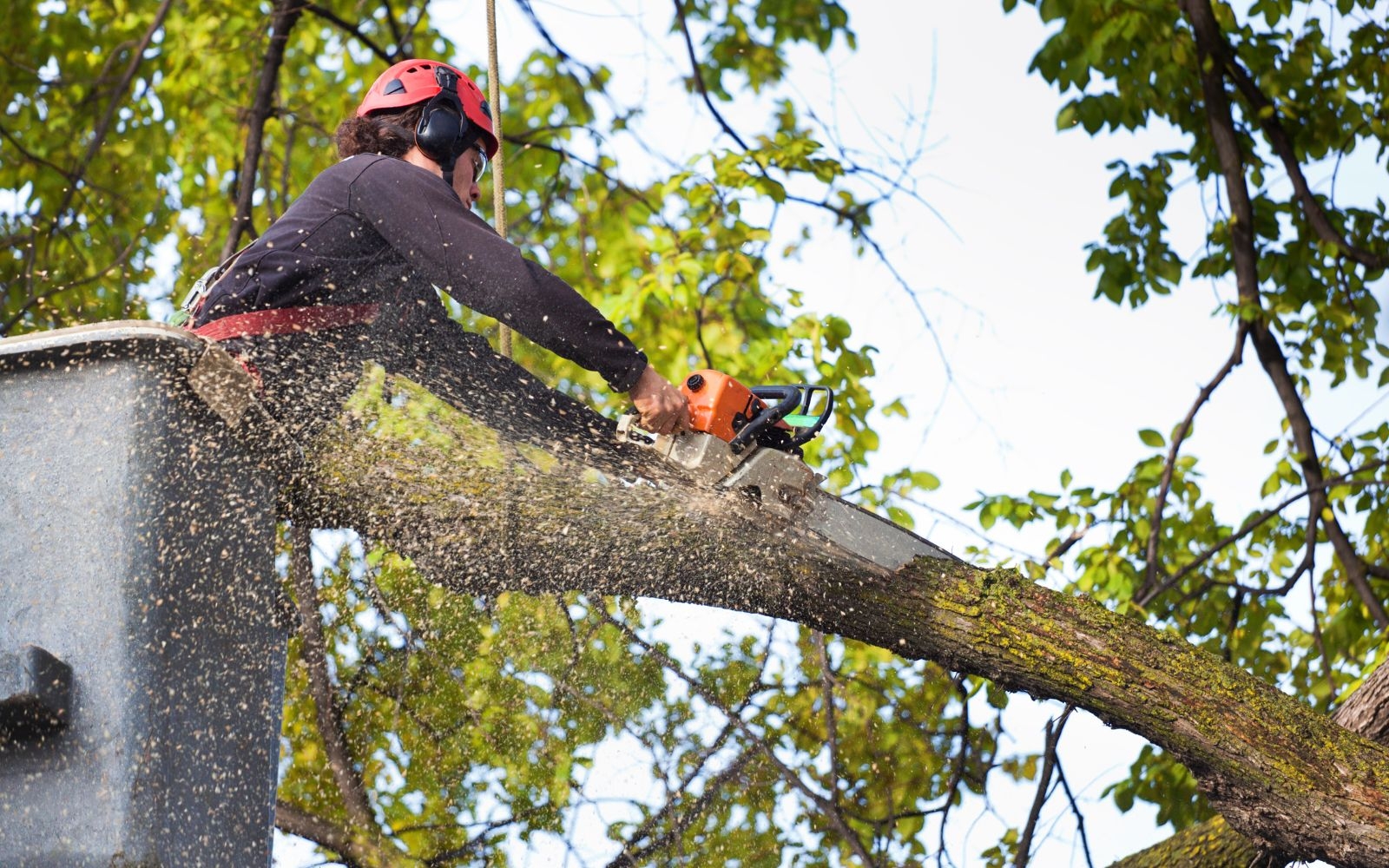
Tree Removal services by qualified staff for safe removal of trees of any size.
Tree Pruning services to enhance tree health, aesthetics, and property safety.
Tree Lopping, Cutting, and Removal for large or hazardous branches and trees.
Palm Tree Removal including stumps, fronds, leaves, seeds, and fruit.
Hedge Pruning for neat, attractive, and safe hedge growth.
Land Clearing for residential, commercial, and agricultural areas, including large-scale projects.
Block and Land Clearing for property preparation, construction, or landscaping.
Stump Grinding with modern machinery to remove all traces of tree stumps.
Commitment to protecting property and surrounding areas during tree services.
Trusted location at Unit 9/169 Beavers Rd, Northcote VIC 3070, serving Melbourne homeowners and businesses.
Use of modern, high-quality equipment and safety gear for all tree care operations.
Comprehensive insurance coverage for all services, ensuring client peace of mind.
Identification of hazards including overgrown branches, storm damage, proximity to cables, and invasive roots.
Professional handling of pest infestations and excessive or misdirected tree growth.
Efficient, experienced, and results-driven service for timely project completion.
Land clearing is a vital step in preparing a piece of land for new construction, agriculture, or other developmental purposes. It involves the removal of trees, shrubs, and other vegetation, as well as the leveling of the land to make it suitable for its intended use. Stump grinding is another essential service we provide, ensuring that leftover stumps are thoroughly removed to prevent regrowth, pests or safety hazards. Additionally, we specialise in palm tree removal and cleanup, handling fronds, seeds and palm waste with care. Our hedge trimming services keep your garden looking neat, healthy and beautiful year-round. Melbourne Tree Removal Experts Melbourne’s unique landscape makes proper tree care essential. Overgrown or unhealthy trees can create risks such as pest infestations, fire hazards, storm damage or interference with power lines and underground utilities. Signs your trees may need attention include branches touching your home, dead or diseased growth, storm damage, roots encroaching on structures or excessive growth in unwanted directions.. This process not only provides a clean slate for development but also aids in managing vegetation, controlling pests, and enhancing the aesthetic appeal of the property.
Key Benefits of Land Clearing:
The primary purpose of land clearing is to create a safe and functional space for building or farming. By removing unwanted vegetation, landowners can prevent potential hazards such as wildfires, which are often fueled by overgrown areas. Additionally, cleared land allows for the efficient use of resources, enabling better planning and development of infrastructure such as roads, buildings, and other facilities.
Land clearing can also improve soil health by removing invasive plant species that compete with native vegetation for nutrients and water. This process can enhance the growth of desired plants and crops, leading to more productive agricultural land. Moreover, by managing the landscape, land clearing can help in reducing erosion and improving water drainage, which are essential for maintaining the ecological balance of the area.
While land clearing is necessary for many projects, it is also important to consider its environmental impact. Sustainable practices, such as selective clearing and the preservation of certain trees and vegetation, can help mitigate negative effects on the ecosystem. Melbourne Tree Removal Experts is a trusted provider of professional tree services across Melbourne and surrounding suburbs. With a qualified and experienced team, we specialise in safe, efficient and affordable solutions for all types of tree care needs. Whether you require complete tree removal, detailed pruning, hedge shaping or large-scale land clearing, our experts are equipped with modern machinery and industry-standard safety gear to deliver outstanding results. Melbourne Tree Removal Experts Our comprehensive service range includes tree removal for trees of any size or condition, ensuring the safety of your property and the surrounding environment. We also offer expert tree pruning to improve tree health, encourage strong growth and enhance the overall appearance of your landscape. For properties that require extensive preparation, our land-clearing services cover residential, commercial and agricultural sites. We have the heavy-duty equipment needed for larger projects, from clearing shrubs to removing mature trees.. By carefully planning and executing land clearing activities, landowners can achieve their development goals while preserving the natural beauty and biodiversity of the area.
When embarking on a land clearing project, understanding the timeline is crucial for efficient planning and execution. Several variables can significantly influence the duration of such a project. Firstly, the size of the land is a primary determinant; larger areas naturally require more time to clear. The type of vegetation present also plays a critical role. Dense forests or areas with mature trees take longer to clear than land covered with shrubs or grass. Additionally, the topography of the land can affect the timeline. Steep or uneven terrain often poses challenges that can slow down the process.
Key Influences on Project Duration:
Another important factor is the purpose of the land clearing. Projects intended for agricultural use might require more thorough clearing compared to those meant for construction, which may only need specific sections cleared. The equipment and technology available can also impact the duration. Advanced machinery can expedite the clearing process, whereas reliance on manual labor or outdated equipment may extend it.
The time of year and weather conditions are other critical considerations. Wet or snowy conditions can delay progress, making it essential to plan around favorable weather windows. Moreover, local regulations and permitting processes can introduce delays, as securing necessary approvals can be time-consuming. Lastly, the experience and efficiency of the hired professionals play a significant role. Skilled teams with a strategic approach can often complete projects more swiftly than less experienced counterparts. By considering these variables, stakeholders can better estimate the timeline and plan accordingly for a successful land clearing project.
The size of the land significantly affects the duration of a clearing project. Larger areas naturally require more time as they involve more ground to cover and more resources to manage. With increased size, there's often a need for additional machinery and manpower, which can complicate logistics and scheduling. Moreover, larger sites may require more extensive planning to ensure that all areas are cleared efficiently and safely. This can also mean longer preparation times, as surveys and assessments are needed to map out the most effective strategies.
Complex terrain features can extend the time needed for land clearing. When a site includes hills, valleys, or uneven surfaces, it poses additional challenges that require specialized equipment and skilled operators. Navigating these features safely and effectively often means slower progress and increased labor. Additionally, complex terrains might necessitate more detailed planning and customized approaches to ensure that the clearing is done without causing undue environmental impact. These factors can collectively add significant time to the overall project.
The density of vegetation is another critical factor affecting project timelines. Areas with thick underbrush, tall trees, or dense foliage require more intensive clearing efforts. This can mean using more powerful machinery or even manual labor in some cases, both of which increase the time and cost involved. Dense vegetation also poses challenges in terms of debris removal, as more material needs to be managed and disposed of appropriately. Consequently, high-density areas can substantially extend project durations.
The number and quality of access points to a site can influence how quickly a land clearing project progresses. Limited or difficult access can slow down the transportation of equipment and personnel, as well as the removal of cleared debris. Poor access might necessitate the creation of temporary roads or paths, adding to the project timeline. Conversely, well-established access routes can facilitate quicker movement and more efficient project execution, thereby reducing overall time requirements.
Factors Influencing Project Timelines:
Weather conditions play a pivotal role in determining the duration of land clearing projects. Therefore, favorable weather conditions are crucial for maintaining project schedules.
When embarking on a land clearing project, understanding the role of permits and legal requirements is crucial for maintaining an efficient schedule. Depending on the location and scope of the project, obtaining the necessary permits can significantly impact the timeline. Local, state, and federal regulations often dictate what permits are required. These regulations are designed to ensure that land clearing activities comply with environmental protection standards, zoning laws, and community planning guidelines.
Additionally, legal requirements may necessitate environmental impact assessments or consultations with local communities and stakeholders. These steps are essential for ensuring that the project does not adversely affect the local ecosystem or infringe on residents' rights. Engaging with these processes early on can help mitigate potential delays and allow for smoother project execution.
Key Considerations for Permitting:
Before any land clearing can commence, project managers must navigate a sometimes complex and time-consuming permitting process. This often involves submitting detailed plans and documentation to the relevant authorities. The review process can vary in length, sometimes taking weeks or even months, especially if the project is large-scale or located in an environmentally sensitive area. Any delays in obtaining permits can lead to postponed start dates, affecting the overall project timeline.
To minimize the impact of permits and legal requirements on the project schedule, it is advisable to work with experienced consultants who are familiar with the local regulatory landscape. These professionals can provide guidance on the necessary steps and help expedite the permitting process. By planning ahead and allocating sufficient time for regulatory compliance, project managers can better align the land clearing timeline with their overall project goals.
When undertaking a land clearing project, it's crucial to consider the impact of environmental protection measures on the overall timeline. These measures, designed to preserve biodiversity and minimize ecological disruption, can significantly extend the duration of a project. For instance, the requirement to conduct thorough environmental assessments before commencing work often adds weeks or even months to the schedule. These assessments are necessary to identify potential risks to local wildlife and plant species, allowing for the development of strategies to mitigate any adverse effects.
Key Environmental Challenges:
Moreover, certain environmental regulations mandate the preservation of specific habitats or the relocation of endangered species, which can further delay progress. For example, if a protected species is discovered on the site, additional time must be allocated for its safe relocation. These protective actions are not only ethical but often legally required, emphasizing the importance of incorporating them into the initial project planning stages.
Another factor to consider is the implementation of erosion control measures. These may involve the installation of silt fences or the stabilization of soil, both of which require additional time and resources. While these steps might seem like obstacles, they are essential for preventing soil degradation and protecting nearby water bodies from sediment runoff.
Ultimately, while environmental protection measures may extend the timeline of land clearing projects, they play a vital role in ensuring sustainable development. By accounting for these constraints early in the planning process, project managers can better forecast timelines and allocate resources effectively, ensuring compliance with environmental regulations while minimizing delays. Balancing development goals with ecological responsibility is key to successful project execution.
The efficiency and speed of a land clearing project are significantly influenced by the types of machinery employed. Different pieces of equipment are tailored to handle specific tasks, and their capabilities can dramatically impact the timeline of a project. For instance, bulldozers are often the workhorses of land clearing, adept at pushing through dense vegetation and moving large amounts of earth swiftly. Their robust build and power make them ideal for initial clearing stages, where speed is crucial.
Key Equipment Features:
Excavators, on the other hand, provide versatility with their ability to dig, lift, and move materials with precision. Equipped with various attachments like grapples or mulchers, they can tackle tasks ranging from uprooting trees to grinding stumps, thus expediting the clearing process. Skid steer loaders, with their compact size, offer maneuverability in tighter spaces, making them perfect for detail-oriented tasks that require finesse after the heavy lifting is done.
In addition to traditional machinery, advancements in technology such as GPS systems and automated controls have further accelerated land clearing projects. These innovations allow for greater precision and efficiency, reducing the time needed to clear land while minimizing human error. The integration of such technology ensures that projects are completed faster and with greater accuracy.
The choice of machinery not only affects the speed but also the overall cost and environmental impact of the project. By selecting the appropriate equipment, project managers can optimize the clearing process, ensuring that timelines are met without compromising on quality or sustainability. As such, understanding the capabilities and advantages of each machine is crucial for anyone involved in land clearing endeavors.
The duration of a land clearing project can be significantly influenced by the size and skill level of the workforce involved. A larger team, equipped with the right expertise, can expedite the process, as multiple tasks can be executed simultaneously. For instance, while some team members operate machinery to remove trees and debris, others can focus on grading the land or managing logistics, thereby reducing overall project time.
Key Factors for Efficient Land Clearing:
However, the skill level of the workforce is equally crucial. Skilled workers, familiar with the latest land clearing techniques and machinery, can perform tasks more efficiently and safely. Their experience allows them to anticipate potential challenges and devise solutions swiftly, minimizing delays. In contrast, a less experienced team might encounter setbacks, such as equipment mishandling or improper execution of tasks, which could extend the project's timeline.
Moreover, skilled professionals can optimize the use of resources, ensuring that machinery and tools are used effectively, thereby preventing unnecessary wear and tear or downtime. This expertise not only accelerates the project but also enhances safety standards, reducing the risk of accidents that could cause further delays.
On the other hand, a smaller or less experienced workforce might lead to a prolonged project duration. Tasks may need to be performed sequentially rather than concurrently, and there might be a steeper learning curve for those unfamiliar with the equipment or processes. Therefore, balancing workforce size with a high skill level is essential for achieving an efficient and timely land clearing project, ultimately leading to cost savings and higher client satisfaction.
Seasonal conditions and weather patterns play a significant role in determining the timeline of land clearing projects. For instance, during the wet season, heavy rainfall can lead to soil saturation, making the ground soft and unstable. This can result in delays as machinery may struggle to operate efficiently, or in some cases, be unable to access the site altogether. On the other hand, dry seasons often provide more predictable working conditions, allowing for uninterrupted progress. However, excessively dry conditions can increase the risk of dust and fire hazards, which may require additional safety measures and potentially slow down operations.
Key Weather Challenges:
Temperature fluctuations also influence the pace of land clearing. In colder climates, frozen ground can be both a hindrance and a benefit. While hard, frozen soil can support heavy machinery better than soft mud, extreme cold can cause mechanical issues or even halt operations if conditions become too severe. Conversely, in warmer climates, heat can pose challenges by causing equipment to overheat, requiring more frequent maintenance and breaks for workers to prevent heat-related illnesses.
Moreover, regional weather patterns, such as hurricanes or snowstorms, can introduce unexpected interruptions. These events not only pause work but also necessitate cleanup and additional safety evaluations post-event, further extending project timelines.
Understanding these seasonal and weather-related factors is crucial for project planners. By anticipating these challenges, they can schedule work during favorable periods, allocate resources effectively, and ensure that contingency plans are in place, ultimately leading to more accurate project timelines and efficient land clearing operations.
When it comes to land clearing projects, the duration can vary significantly based on the size and complexity of the area involved. For small projects, which usually encompass less than an acre, the process might take anywhere from a few days to a week. These projects often involve the removal of light vegetation or a few trees, making them relatively quick and straightforward. The equipment required is minimal, and the workforce typically comprises a small team, allowing for a swifter completion.
Medium-sized projects, covering areas between one to five acres, generally take longer, often spanning one to three weeks. These projects might involve more extensive vegetation removal, such as clearing denser brush or a moderate number of trees. The increased scale necessitates the use of more specialized machinery and a larger crew, which can extend the timeline. Additionally, medium projects may require more detailed planning and coordination, especially if the land is being prepared for construction or agricultural use.
For large land clearing projects, which involve areas larger than five acres, the timeframe can extend from several weeks to a few months. These projects are typically more complex, involving the removal of substantial vegetation, trees, and possibly even stumps and rocks. The scale of these projects demands a comprehensive strategy, including environmental assessments and permits, which can add to the overall duration. Heavy-duty machinery and a sizable workforce are essential to handle the extensive work, and unexpected challenges like weather conditions or site accessibility can further impact the timeline.
Understanding the typical durations for varying project sizes can help in planning and allocating resources effectively, ensuring that land clearing is completed efficiently and on schedule.


Tree care is the application of arboricultural methods like pruning, trimming, and felling/thinning[1] in built environments. Road verge, greenways, backyard and park woody vegetation are at the center of attention for the tree care industry. Landscape architecture and urban forestry[2][3] also set high demands on professional tree care. High safety standards against the dangers of tree care have helped the industry evolve. Especially felling in space-limited environments poses significant risks: the vicinity of power or telephone lines, insufficient protective gear (against falling dead wood, chainsaw wounds, etc.) and narrow felling zones with endangered nearby buildings, parking cars, etc. The required equipment and experience usually transcends private means and is often considered too costly as a permanent part of the public infrastructure. In singular cases, traditional tools like handsaws may suffice, but large-scale tree care usually calls for heavy machinery like cranes, bucket trucks, harvesters, and woodchippers.
Road side trees are especially prone to abiotic stress by exhaust fumes, toxic road debris, soil compaction, and drought which makes them susceptible to fungal infections and various plant pests[4] like the spotted lantern fly.[5] When tree removal is not an option, because of road ecology considerations, the main challenge is to achieve road safety (visibility of road signs, blockage-free lanes, etc.) while maintaining tree health.

While the perceived risk of death by falling trees (a part of the "tree risk" complex) is influenced by media and often hyped (the objective risk has been reported to be close to 1 : 10.000.000, almost as low as death by lightning),[6] singular events have encouraged a "proactive" stance so that even lightly damaged trees are likely to be removed in urban and public traffic surroundings.[3] As a tree ages and nears the end of its safe useful life expectancy (SULE),[7] its perceived amenity value is decreased greatly. A risk assessment normally carried out by local council's arborist to determine the best course of action.[8] As with all public green spaces, trees in green urban spaces and their careful conservation is sometimes in conflict with aggressive urban development even though it is often understood how urban trees contribute to liveability of suburbs and cities both objectively (reduction of urban heat island effect, etc.) and subjectively.[9][10][11][12] Tree planting programs implemented by a growing number of cities, local councils and organizations is mitigating the losses and in most cases increasing the number of trees in suburbia.[13] Programs include the planting of 2 trees for every 1 tree removed, while some councils are paying land owners to keep trees instead of removing them for farming or construction.[14]
The voluntary industry consensus standards developed by TCIA, resulted in the ANSI A300 standard, the generally accepted industry standard for tree care practices including trees, shrubs, and other woody plants.[15] It includes the following parts:
Urban Forestry maintains 4.1 million trees on public property, which includes an estimated 3.5 million trees within Toronto's parks and ravines, and approximately 600,000 trees on City streets. ... The focus of our maintenance service is shifting progressively from reactive maintenance to proactive maintenance.
cite web: CS1 maint: multiple names: authors list (link)Ho Chi Minh City has announced a plan to move and cut down 300 trees on Ton Duc Thang Street in District 1 to make space for a bridge connecting to District 2 and a metro station.