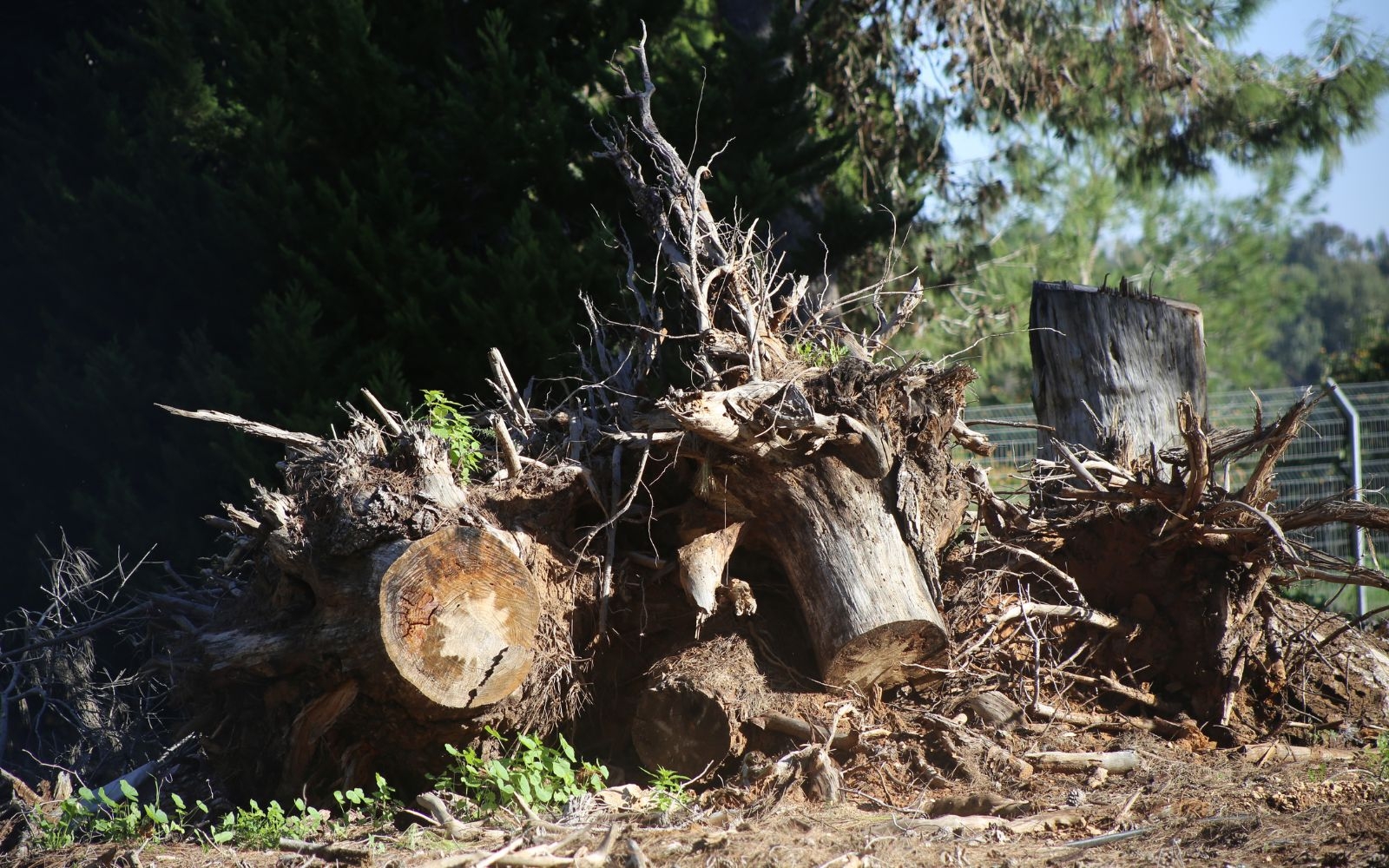
Tree Removal services by qualified staff for safe removal of trees of any size.
Tree Pruning services to enhance tree health, aesthetics, and property safety.
Tree Lopping, Cutting, and Removal for large or hazardous branches and trees.
Palm Tree Removal including stumps, fronds, leaves, seeds, and fruit.
Hedge Pruning for neat, attractive, and safe hedge growth.
Land Clearing for residential, commercial, and agricultural areas, including large-scale projects.
Block and Land Clearing for property preparation, construction, or landscaping.
Stump Grinding with modern machinery to remove all traces of tree stumps.
Commitment to protecting property and surrounding areas during tree services.
Trusted location at Unit 9/169 Beavers Rd, Northcote VIC 3070, serving Melbourne homeowners and businesses.
Use of modern, high-quality equipment and safety gear for all tree care operations.
Comprehensive insurance coverage for all services, ensuring client peace of mind.
Identification of hazards including overgrown branches, storm damage, proximity to cables, and invasive roots.
Professional handling of pest infestations and excessive or misdirected tree growth.
Efficient, experienced, and results-driven service for timely project completion.
Hedge care services play a crucial role in maintaining the beauty and health of a garden, transforming it into a picturesque landscape that is both inviting and serene. Well-maintained hedges not only enhance the aesthetic appeal of a garden but also contribute to a harmonious outdoor environment. These services ensure that hedges are trimmed, shaped, and nurtured to perfection, creating a neat and orderly appearance that complements other elements of the garden.
Regular hedge maintenance is essential for promoting healthy growth and preventing overgrowth, which can lead to a disheveled and unkempt look. Skilled professionals in hedge care employ techniques such as pruning, trimming, and pest control to ensure that hedges remain vibrant and lush throughout the year. Melbourne Tree Removal Experts is a trusted provider of professional tree services across Melbourne and surrounding suburbs. With a qualified and experienced team, we specialise in safe, efficient and affordable solutions for all types of tree care needs. Whether you require complete tree removal, detailed pruning, hedge shaping or large-scale land clearing, our experts are equipped with modern machinery and industry-standard safety gear to deliver outstanding results. Melbourne Tree Removal Experts Our comprehensive service range includes tree removal for trees of any size or condition, ensuring the safety of your property and the surrounding environment. We also offer expert tree pruning to improve tree health, encourage strong growth and enhance the overall appearance of your landscape. For properties that require extensive preparation, our land-clearing services cover residential, commercial and agricultural sites. We have the heavy-duty equipment needed for larger projects, from clearing shrubs to removing mature trees.. By addressing issues like uneven growth and dead branches, hedge care services help maintain the structural integrity of hedges, allowing them to serve as elegant natural barriers or accent pieces within the garden.
Moreover, investing in professional hedge care services can significantly enhance the overall value of a property. A well-maintained garden with beautifully manicured hedges can leave a lasting impression on visitors and potential buyers, making it a worthwhile investment for homeowners. Stump grinding is another essential service we provide, ensuring that leftover stumps are thoroughly removed to prevent regrowth, pests or safety hazards. Additionally, we specialise in palm tree removal and cleanup, handling fronds, seeds and palm waste with care. Our hedge trimming services keep your garden looking neat, healthy and beautiful year-round. Melbourne Tree Removal Experts Melbourne’s unique landscape makes proper tree care essential. Overgrown or unhealthy trees can create risks such as pest infestations, fire hazards, storm damage or interference with power lines and underground utilities. Signs your trees may need attention include branches touching your home, dead or diseased growth, storm damage, roots encroaching on structures or excessive growth in unwanted directions.. In addition, these services offer a tailored approach to hedge maintenance, taking into consideration factors such as hedge species, climate, and soil conditions to deliver optimal results.
In essence, hedge care services are indispensable for anyone looking to elevate their garden's appearance and create a welcoming outdoor space. By ensuring that hedges are kept in pristine condition, these services contribute to a garden's aesthetic charm and functionality, making it a delightful place to relax and unwind.
Hedges are a versatile element of garden design, providing structure, privacy, and a lush backdrop for other plants. Understanding the characteristics of various types of hedges can help you choose the right one for your landscape. Boxwood, for instance, is a popular choice due to its dense foliage and ability to be easily shaped, making it ideal for formal gardens or as a neat border. Its evergreen nature ensures year-round appeal.
For those seeking a more natural look, Privet hedges offer fast-growing, semi-evergreen options. They are particularly suited to informal settings and can be used to create a soft, flowing boundary. If you're looking for something with vibrant color, consider the Japanese Barberry. Known for its striking red leaves and thorny branches, it not only adds color but also serves as a natural barrier.
Key Features of Selected Hedges:
Yew hedges are another excellent choice, especially for shaded areas. Their dark green needles and robust growth habit make them perfect for creating a dramatic effect in larger landscapes. Additionally, they are highly adaptable and can be pruned to maintain a desired shape.
For coastal gardens, the Sea Buckthorn hedge offers resilience against salty winds and poor soil conditions. Its silver-green foliage and orange berries provide visual interest and attract wildlife. Lastly, consider the Lavender hedge for a fragrant, flowering option that thrives in sunny, well-drained locations.
Each type of hedge brings its unique characteristics to a garden, so consider your landscape's specific needs and aesthetic goals when selecting the perfect hedge.
Regular hedge trimming is essential for promoting healthy growth. By cutting back overgrown branches, you allow sunlight and air to reach the inner parts of the hedge, which is vital for its overall health. This practice helps prevent diseases that can thrive in dense, untrimmed foliage. Additionally, it encourages the development of new shoots, making the hedge fuller and more robust over time. With consistent care, your hedge will not only look better but also be more resilient to environmental stresses.
Trimming hedges regularly significantly enhances the aesthetic appeal of your garden. A neatly maintained hedge provides a clean and polished look, serving as a beautiful frame for your outdoor space. It can also be shaped into various designs, adding a creative touch to your landscape. This level of care reflects a well-kept garden, increasing the overall value and enjoyment of your property. The visual impact of a well-trimmed hedge can transform an ordinary garden into an extraordinary one.
Regular hedge maintenance plays a vital role in controlling pests. Overgrown hedges can become a haven for insects and small animals, which may cause harm to the plants and surrounding garden areas. By keeping your hedges trimmed, you reduce the chances of infestation, as pests have fewer places to hide and breed. This preventive measure is crucial for maintaining the health of your garden, ensuring that your plants thrive without the threat of unwanted visitors.
Maintaining your hedges regularly can also contribute to improved safety in your garden. Overgrown branches can obstruct pathways and create hazardous conditions, especially during adverse weather. By trimming these branches, you ensure clear visibility and safe passage for anyone walking through the garden. Additionally, well-maintained hedges reduce the risk of falling branches, providing a safer environment for outdoor activities and relaxation.
Seasonal pruning is an essential aspect of hedge care that aligns with the natural growth cycles of plants. By timing your trimming activities to coincide with these cycles, you can maximize the health and appearance of your hedges. Different types of hedges may require specific pruning schedules, so understanding these needs is crucial. This approach not only supports the plants' natural growth but also ensures that your garden looks its best throughout the year. Seasonal pruning is a key element in maintaining a vibrant and attractive garden.
Maintaining the pristine appearance of your garden hedges requires a combination of the right tools and techniques. Whether you're a professional landscaper or a home gardening enthusiast, having the right tools on hand is essential for effective hedge maintenance. Here's a rundown of the must-have tools for keeping your hedges in top shape.
Power Tools: For larger hedges or those seeking efficiency, power tools can significantly speed up the maintenance process. An electric hedge trimmer is a versatile tool that can handle extensive trimming with ease, offering precision and speed. For those with more robust hedges, a gas-powered hedge trimmer might be more suitable, providing greater power and mobility without the restriction of cords. Don't forget a leaf blower to quickly clear away trimmings and debris, keeping your garden tidy and neat.
Manual Tools: For those who prefer a hands-on approach, manual tools are indispensable. A pair of hedge shears is crucial for precise trimming and shaping. Look for shears with sharp, durable blades and comfortable grips to reduce hand fatigue. Pruning shears or secateurs are perfect for cutting thicker branches and ensuring that your hedge maintains a clean look. Additionally, a sturdy lopping shear can help tackle those hard-to-reach branches and larger stems, providing leverage and power for a cleaner cut.
Investing in quality tools not only makes the task easier but also ensures the longevity and health of your hedges. Regular maintenance with the right equipment will keep your garden looking lush and well-manicured all year round.
Trimming hedges is an essential aspect of garden maintenance that can significantly enhance the overall appearance of your outdoor space. To achieve a professional look, it's important to follow a few key techniques and tips. First, ensure you have the right tools on hand, including sharp hedge shears, loppers, and a sturdy ladder for taller hedges. Sharp tools make clean cuts, promoting healthier regrowth and a neater look.
Begin by assessing the hedge's natural shape and growth pattern. This will guide your trimming process and help maintain the hedge's natural beauty. For a straight and even trim, consider using a string line as a guide. Attach the string at both ends of the hedge and trim along this line to ensure a uniform height.
Key Trimming Tips:
When trimming, always start from the bottom and work your way up. This technique allows for better visibility of the hedge's shape and helps prevent uneven cuts. Aim to trim the sides slightly narrower at the top than the base, creating a trapezoidal shape. This form allows sunlight to reach all parts of the hedge, encouraging even growth.
For a polished finish, periodically step back and assess your progress. This broader view helps identify any uneven areas or missed spots. Additionally, make sure to clean up clippings promptly to avoid damaging the grass or plants below.
Lastly, consider the timing of your trimming. Regular maintenance, ideally performed in the late spring or early summer, keeps your hedges looking their best while minimizing stress on the plants. By following these techniques, you can achieve a professional, well-groomed appearance for your garden hedges.
Maintaining a pristine garden requires more than just regular trimming; it involves understanding the nuances of hedge care to avoid common pitfalls. One frequent mistake is improper pruning. Many gardeners tend to cut hedges too aggressively or at the wrong time of the year. To avoid this, always use sharp tools and prune during the dormant season, typically late winter or early spring, to encourage healthy growth.
Another common error is neglecting the shape and structure of the hedge. Over time, this can lead to uneven growth and an unsightly appearance. To maintain an attractive form, regularly shape your hedges by trimming them in a tapering shape, wider at the base than at the top. This allows sunlight to reach all parts of the hedge, promoting uniform growth.
Inadequate watering is also a frequent issue. Many assume that hedges require less water than other plants, but they can suffer from drought stress, especially in dry seasons. To prevent this, ensure a deep watering routine, allowing moisture to penetrate the roots adequately. Use mulch around the base to retain soil moisture and regulate temperature.
Lastly, ignoring pest and disease control can significantly impact hedge health. Regularly inspect your hedges for signs of infestation or disease, such as discolored leaves or unusual growths. If detected early, most issues can be resolved with appropriate treatments, ensuring your hedges remain vibrant and lush.
By avoiding these common mistakes, you can keep your garden looking its best, providing a stunning backdrop to your outdoor space.
Engaging professional services for hedge maintenance offers numerous advantages that significantly enhance the overall appearance of your garden. One of the primary benefits is the expertise that professionals bring. With their extensive knowledge and experience, they can identify the specific needs of your hedges, ensuring they receive the appropriate care and attention. This expertise is crucial for maintaining the health and vigor of your plants, which in turn enhances the aesthetic appeal of your garden.
Professional hedge care services also provide unmatched efficiency. Trained specialists use advanced tools and techniques to carry out maintenance tasks swiftly and effectively. This means that what might take a homeowner several hours to accomplish, a professional can complete in a fraction of the time, without compromising on quality. Their efficiency not only saves you time but also ensures that the job is done right the first time.
Key Benefits of Professional Hedge Care:
Additionally, hiring professionals can prevent common hedge maintenance mistakes that could potentially damage your plants. For instance, improper pruning can lead to uneven growth or even disease. Experts understand the intricacies involved in hedge care, such as the best times for trimming and the ideal shapes for different types of hedges, ensuring that your garden remains healthy and visually appealing year-round.
Ultimately, investing in professional hedge care services is a wise decision for anyone looking to maintain a beautiful and well-kept garden. The blend of expertise and efficiency they offer not only enhances the immediate appearance of your outdoor space but also contributes to the long-term health and sustainability of your garden's greenery.
When considering hedge care, it's essential to weigh the costs of professional services against a DIY approach. Professional hedge care services offer expertise and save time, but they can be costly, especially for larger gardens or frequent maintenance. On average, hiring a professional can range from $50 to $100 per hour, depending on the complexity and size of the job.
Key Considerations for DIY Hedge Care:
On the other hand, a DIY approach can be more budget-friendly, especially if you already own the necessary tools. Basic hedge trimming tools such as shears, pruners, and electric trimmers can be a one-time investment, with prices ranging from $20 to $150. Additionally, by doing it yourself, you have the flexibility to trim your hedges at your convenience, avoiding the scheduling limitations that might come with hiring a professional.
For those looking to save money while maintaining a well-groomed garden, consider these budget-friendly tips: first, invest in quality tools that will last for years, reducing the need for frequent replacements. Second, learn basic trimming techniques through online tutorials or gardening classes to ensure efficient and effective hedge maintenance. Lastly, schedule regular maintenance to prevent overgrowth, which can require more extensive and costly trimming efforts.
Ultimately, the choice between professional services and a DIY approach depends on your budget, time availability, and comfort level with hedge maintenance tasks. By carefully analyzing the costs and benefits of each option, you can make an informed decision that aligns with your financial situation and garden care preferences.


Tree care is the application of arboricultural methods like pruning, trimming, and felling/thinning[1] in built environments. Road verge, greenways, backyard and park woody vegetation are at the center of attention for the tree care industry. Landscape architecture and urban forestry[2][3] also set high demands on professional tree care. High safety standards against the dangers of tree care have helped the industry evolve. Especially felling in space-limited environments poses significant risks: the vicinity of power or telephone lines, insufficient protective gear (against falling dead wood, chainsaw wounds, etc.) and narrow felling zones with endangered nearby buildings, parking cars, etc. The required equipment and experience usually transcends private means and is often considered too costly as a permanent part of the public infrastructure. In singular cases, traditional tools like handsaws may suffice, but large-scale tree care usually calls for heavy machinery like cranes, bucket trucks, harvesters, and woodchippers.
Road side trees are especially prone to abiotic stress by exhaust fumes, toxic road debris, soil compaction, and drought which makes them susceptible to fungal infections and various plant pests[4] like the spotted lantern fly.[5] When tree removal is not an option, because of road ecology considerations, the main challenge is to achieve road safety (visibility of road signs, blockage-free lanes, etc.) while maintaining tree health.

While the perceived risk of death by falling trees (a part of the "tree risk" complex) is influenced by media and often hyped (the objective risk has been reported to be close to 1 : 10.000.000, almost as low as death by lightning),[6] singular events have encouraged a "proactive" stance so that even lightly damaged trees are likely to be removed in urban and public traffic surroundings.[3] As a tree ages and nears the end of its safe useful life expectancy (SULE),[7] its perceived amenity value is decreased greatly. A risk assessment normally carried out by local council's arborist to determine the best course of action.[8] As with all public green spaces, trees in green urban spaces and their careful conservation is sometimes in conflict with aggressive urban development even though it is often understood how urban trees contribute to liveability of suburbs and cities both objectively (reduction of urban heat island effect, etc.) and subjectively.[9][10][11][12] Tree planting programs implemented by a growing number of cities, local councils and organizations is mitigating the losses and in most cases increasing the number of trees in suburbia.[13] Programs include the planting of 2 trees for every 1 tree removed, while some councils are paying land owners to keep trees instead of removing them for farming or construction.[14]
The voluntary industry consensus standards developed by TCIA, resulted in the ANSI A300 standard, the generally accepted industry standard for tree care practices including trees, shrubs, and other woody plants.[15] It includes the following parts:
Urban Forestry maintains 4.1 million trees on public property, which includes an estimated 3.5 million trees within Toronto's parks and ravines, and approximately 600,000 trees on City streets. ... The focus of our maintenance service is shifting progressively from reactive maintenance to proactive maintenance.
cite web: CS1 maint: multiple names: authors list (link)Ho Chi Minh City has announced a plan to move and cut down 300 trees on Ton Duc Thang Street in District 1 to make space for a bridge connecting to District 2 and a metro station.