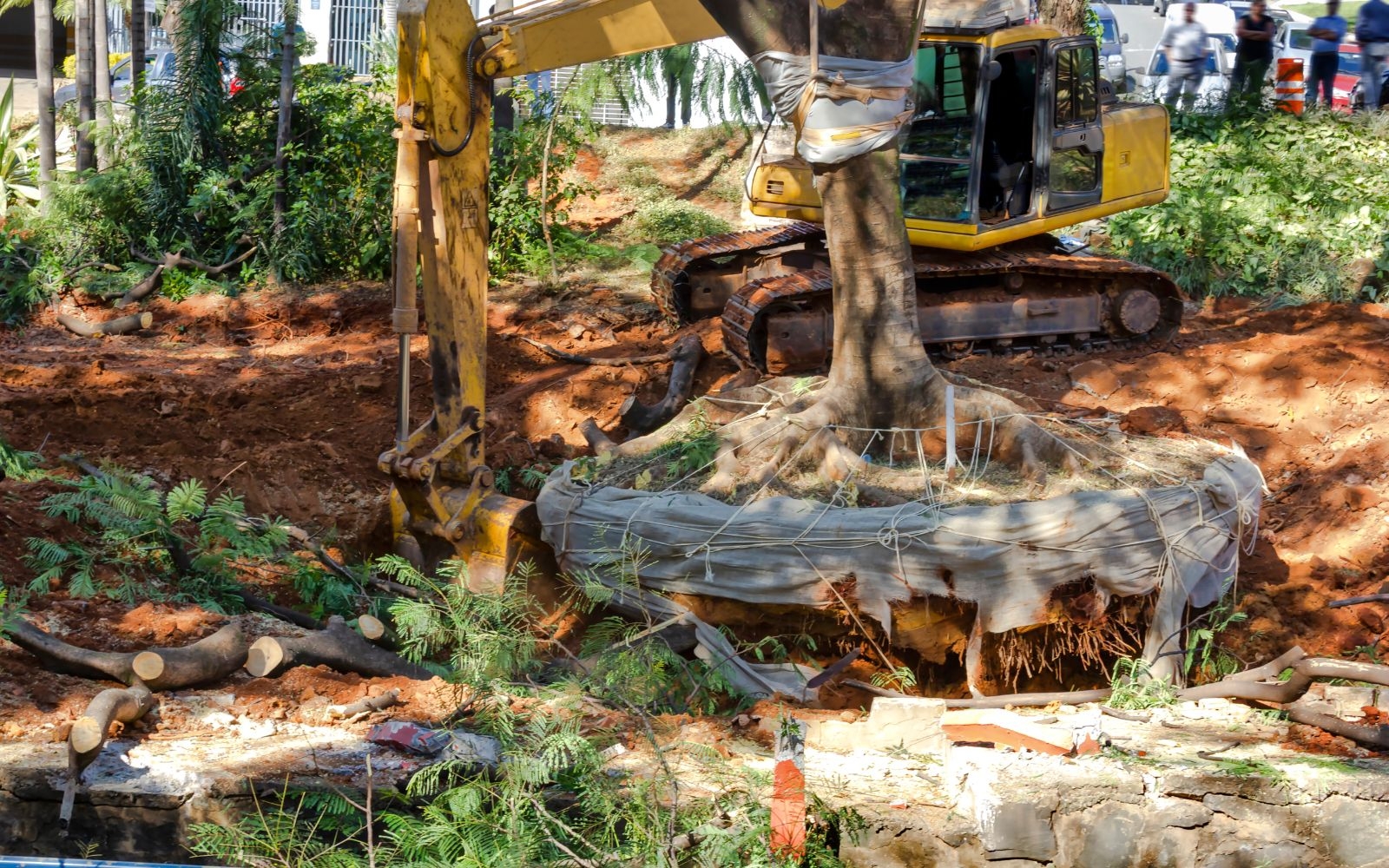
Tree Removal services by qualified staff for safe removal of trees of any size.
Tree Pruning services to enhance tree health, aesthetics, and property safety.
Tree Lopping, Cutting, and Removal for large or hazardous branches and trees.
Palm Tree Removal including stumps, fronds, leaves, seeds, and fruit.
Hedge Pruning for neat, attractive, and safe hedge growth.
Land Clearing for residential, commercial, and agricultural areas, including large-scale projects.
Block and Land Clearing for property preparation, construction, or landscaping.
Stump Grinding with modern machinery to remove all traces of tree stumps.
Commitment to protecting property and surrounding areas during tree services.
Trusted location at Unit 9/169 Beavers Rd, Northcote VIC 3070, serving Melbourne homeowners and businesses.
Use of modern, high-quality equipment and safety gear for all tree care operations.
Comprehensive insurance coverage for all services, ensuring client peace of mind.
Identification of hazards including overgrown branches, storm damage, proximity to cables, and invasive roots.
Professional handling of pest infestations and excessive or misdirected tree growth.
Efficient, experienced, and results-driven service for timely project completion.
Free, obligation-free quotes to help clients make informed decisions.
Personalized consultation and guidance to address tree and garden concerns.
Service coverage across all Melbourne suburbs including North Melbourne, South Melbourne, Port Melbourne, East Melbourne, West Melbourne, Albert Park, Middle Park, St Kilda, Windsor, Prahran, Richmond, Brunswick, Northcote, Fitzroy, Hawthorn, and Sunshine.
Dedicated team focused on maintaining Melbourne’s natural beauty and garden safety.
Expert advice on tree health, maintenance, and property improvement.
In Melbourne, tree safety regulations play a crucial role in preserving the city's urban forest and ensuring public safety. As a city renowned for its lush green spaces and tree-lined streets, Melbourne's commitment to maintaining its arboreal assets is evident in its comprehensive regulatory framework. Melbourne Tree Removal Experts is a trusted provider of professional tree services across Melbourne and surrounding suburbs. With a qualified and experienced team, we specialise in safe, efficient and affordable solutions for all types of tree care needs. Whether you require complete tree removal, detailed pruning, hedge shaping or large-scale land clearing, our experts are equipped with modern machinery and industry-standard safety gear to deliver outstanding results. Melbourne Tree Removal Experts Our comprehensive service range includes tree removal for trees of any size or condition, ensuring the safety of your property and the surrounding environment. We also offer expert tree pruning to improve tree health, encourage strong growth and enhance the overall appearance of your landscape. For properties that require extensive preparation, our land-clearing services cover residential, commercial and agricultural sites. We have the heavy-duty equipment needed for larger projects, from clearing shrubs to removing mature trees.. These regulations are designed to protect both the environment and the community, emphasizing the importance of proper tree management and risk assessment.
Key Aspects of Melbourne's Tree Safety Regulations:
Trees offer numerous benefits, such as improving air quality, providing shade, and enhancing the aesthetic appeal of neighborhoods. However, without appropriate management, they can also pose risks, especially during extreme weather events. Melbourne's regulations aim to mitigate these risks by ensuring that tree maintenance is conducted regularly and responsibly. This involves regular inspections, pruning, and, when necessary, the removal of hazardous trees.
Moreover, these regulations are essential for safeguarding public infrastructure, such as roads and power lines, from potential damage caused by falling branches or uprooted trees. They also help in preventing injury to residents and visitors, thereby fostering a safer environment for everyone. By adhering to these guidelines, property owners and local councils work together to maintain the city's green canopy while prioritizing safety.
Ultimately, Melbourne's tree safety regulations underscore a broader commitment to sustainable urban development. They reflect the city's dedication to balancing ecological preservation with public safety, ensuring that both the natural and built environments can coexist harmoniously. For residents and businesses alike, understanding and complying with these regulations is crucial for contributing to the city's vibrant and safe urban landscape.
Melbourne's tree safety regulations are designed to safeguard both the urban environment and the well-being of its residents. These regulations are part of a broader framework aimed at ensuring public safety, conserving natural resources, and enhancing the city's green spaces. Understanding these regulations is essential for property owners, developers, and residents.
One of the key components of Melbourne's tree safety regulations is the requirement for regular tree assessments. Property owners are responsible for ensuring that their trees are healthy and do not pose a risk to people or property. This involves hiring a qualified arborist to conduct inspections and carry out necessary maintenance, such as pruning or removal of dead branches, to prevent potential hazards.
Key Points of Tree Safety Regulations:
Furthermore, Melbourne's regulations specify which trees are protected under local laws. Certain species, particularly native and mature trees, may require a permit for significant pruning or removal. The aim is to preserve the city's biodiversity and maintain ecological balance while ensuring public safety. Property owners must check with their local council to understand which trees are protected and what steps need to be followed before making any alterations.
In addition to individual responsibilities, the city of Melbourne implements a range of public safety measures. These include regular monitoring of street trees, particularly in high-traffic areas, and implementing risk management plans to address issues such as storm damage or disease outbreaks. Public awareness campaigns are also conducted to educate the community about the importance of tree safety and compliance with local regulations.
By adhering to these regulations, Melbourne ensures a safer environment for its residents while preserving the natural beauty and ecological health of the city. Compliance not only prevents legal repercussions but also contributes to a sustainable and greener urban landscape.
Regular tree inspections are crucial for ensuring compliance with Melbourne's safety regulations. Property owners and managers are responsible for assessing the health and stability of trees on their land. Inspections should be conducted by qualified arborists who can identify potential hazards such as dead branches, disease, or structural weaknesses. By scheduling routine evaluations, property managers can proactively address issues before they lead to accidents or regulatory violations. Inspections not only help maintain safety but also contribute to the overall health and longevity of the urban forest.
Adhering to pruning standards is essential for maintaining tree safety and compliance. Proper pruning techniques help manage tree growth, reduce the risk of falling branches, and improve tree health. Melbourne's regulations often specify how and when pruning should occur, emphasizing the importance of using professional services to ensure compliance. Incorrect pruning can lead to tree stress or damage, potentially resulting in safety hazards. By following established guidelines, property owners can enhance both the safety and aesthetics of their landscapes.
Obtaining necessary permits is a key compliance requirement for tree management in Melbourne. Certain tree works, including removal or significant pruning, may require approval from local councils. These permits ensure that tree maintenance aligns with broader environmental and community standards. Failing to secure the appropriate permits can lead to fines and legal repercussions. Property owners must familiarize themselves with local regulations and application processes to avoid non-compliance and support sustainable urban forestry practices.
Effective hazard mitigation strategies are vital for complying with tree safety regulations. This involves identifying and addressing potential threats posed by trees, such as overhanging limbs near power lines or structures. Implementing risk reduction measures not only protects property and people but also fulfills legal obligations. By prioritizing hazard mitigation, property managers can prevent incidents and demonstrate their commitment to safety and regulatory adherence. Regularly updating these strategies ensures ongoing compliance with evolving standards.
Tree removal is a sensitive and regulated aspect of property management in Melbourne. While removing a tree may sometimes be necessary for safety reasons, it is subject to strict regulations to preserve urban greenery. Property owners must provide justification and often secure permits for tree removal, ensuring that the decision aligns with environmental policies. Professional arborists should conduct removals to minimize risks and comply with legal standards. Understanding the protocols for tree removal helps property managers navigate regulatory requirements while maintaining community and environmental integrity.
To ensure the safety and longevity of trees in Melbourne, it's crucial to follow the guidelines for regular assessment and maintenance. These guidelines help property owners and managers identify potential hazards and maintain tree health, thereby reducing the risk of accidents and ensuring compliance with local regulations.
Key Maintenance Activities:
In addition to visual inspections, hiring a professional arborist for a detailed assessment is highly recommended. Arborists have the expertise to evaluate the tree's overall health and structural integrity using specialized tools and techniques. They can identify issues that may not be visible to the untrained eye and provide expert advice on necessary interventions.
The first step in the assessment process is conducting a thorough visual inspection. This involves examining the tree for any signs of decay, disease, or structural weaknesses. Look for dead branches, cracks in the trunk, or unusual leaf discoloration, as these can indicate underlying issues. It's advisable to perform these inspections quarterly, especially after severe weather conditions, to catch any problems early.
Regular maintenance is equally important in ensuring tree safety. This includes pruning to remove dead or weak branches that could pose a risk to people or property. Proper pruning techniques not only enhance safety but also promote healthy growth and improve the tree's aesthetic appeal. Furthermore, ensuring adequate watering, mulching, and soil care will help maintain the tree's health and resilience against environmental stressors.
By following these guidelines, property owners can significantly reduce the risk of tree-related incidents, ensuring a safer environment for everyone. Remember, regular assessment and maintenance are not just about compliance; they are about preserving the natural beauty and ecological value of Melbourne's urban landscape.
Adhering to Melbourne's tree safety regulations can often present a myriad of challenges for both individuals and organizations. One significant obstacle is the lack of awareness and understanding of the specific regulations. Many property owners and businesses are not fully informed about the detailed requirements, leading to unintentional non-compliance. This is particularly true for those who manage large properties or multiple sites, where keeping track of the various rules can be daunting.
Key Challenges in Compliance:
Another common issue is the financial burden associated with compliance. Implementing necessary safety measures, conducting regular inspections, and performing maintenance can be costly. For smaller organizations or individuals with limited budgets, these expenses can be a significant barrier. Additionally, the costs of hiring qualified arborists or tree care professionals to ensure compliance can add to the financial strain.
Time constraints also play a critical role in compliance challenges. Ensuring that trees on a property meet safety standards often requires regular monitoring and maintenance, which can be time-consuming. Busy schedules and limited resources can lead to delays in addressing potential hazards, increasing the risk of non-compliance.
Furthermore, navigating the bureaucratic processes involved in obtaining permits or approvals for tree work can be frustrating and time-intensive. The complexity of paperwork and the need for precise documentation can deter individuals and organizations from pursuing necessary actions promptly.
Lastly, environmental factors such as weather conditions and unforeseen natural events can disrupt compliance efforts. Storms or droughts can exacerbate tree hazards, requiring immediate attention that may not always be feasible within existing compliance frameworks.
Addressing these challenges requires a concerted effort to improve awareness, streamline processes, and provide financial and technical support to those striving to meet Melbourne's tree safety regulations.
In Melbourne, compliance with tree safety regulations is not just encouraged—it's enforced through a structured system aimed at preserving the city's green canopy while ensuring public safety. The local government has established several enforcement mechanisms to ensure that individuals and businesses adhere to these regulations. These mechanisms include regular inspections by council officers, who assess whether the trees are being maintained according to the prescribed guidelines. Failure to comply with these standards can lead to immediate action, where authorities may issue warnings, notices, or fines depending on the severity of the non-compliance.
Key Aspects of Enforcement:
For individuals or entities found in violation of tree safety regulations, the penalties can be significant. Initial breaches often result in a formal warning, but repeated or severe non-compliance can lead to substantial fines. In some cases, non-compliance may also necessitate corrective actions, such as the mandatory planting of replacement trees or the implementation of specific safety measures. Furthermore, businesses that consistently fail to comply may face additional scrutiny or restrictions on future projects involving tree management.
It's important to note that the penalties are designed not just as punitive measures but also as deterrents to ensure that all parties prioritize tree safety and environmental preservation. By adhering to the regulations, individuals and businesses can avoid these penalties and contribute positively to Melbourne's urban environment. Understanding and complying with these regulations is crucial for anyone involved in activities that may impact the city's trees, ensuring both legal compliance and the continued health of Melbourne's lush landscape.
In recent years, several Melbourne municipalities have demonstrated exemplary compliance with tree safety regulations, serving as a model for other regions. For instance, the City of Yarra successfully implemented a comprehensive tree management plan that not only adhered to safety standards but also promoted biodiversity. By conducting regular inspections and employing a team of qualified arborists, Yarra managed to significantly reduce tree-related incidents. Their proactive approach, which included community education programs about tree safety and maintenance, has resulted in a safer and greener urban environment.
Key Insights from Melbourne's Tree Management:
Conversely, there have been instances where non-compliance has led to unfortunate incidents, offering valuable lessons. In one such case, a suburban council faced scrutiny after a large tree fell during a storm, causing property damage and minor injuries. Investigation revealed that the tree had shown signs of disease, which were overlooked due to irregular inspection schedules. This incident highlighted the importance of regular and thorough tree assessments, as well as the need for councils to allocate adequate resources for maintaining tree health and safety.
These examples underscore the critical role of diligence and proactive measures in ensuring compliance with tree safety regulations. Councils that prioritize regular inspections, community involvement, and swift action in response to identified hazards are better positioned to prevent accidents and foster a safe environment. As Melbourne continues to grow, maintaining a balance between urban development and nature preservation remains key. By learning from past incidents and adopting best practices, municipalities can enhance their tree safety strategies, benefiting both residents and the environment.
Understanding and adhering to Melbourne's tree safety regulations can be a challenging task for property owners and managers. However, various resources and support systems are available to help navigate these requirements effectively. The City of Melbourne's official website is an excellent starting point, offering comprehensive information on tree management policies, permits, and obligations. Here, you can find detailed guidelines and downloadable documents that explain the specifics of tree safety regulations, including pruning standards and tree removal procedures.
Key Resources for Tree Safety Compliance:
Additionally, the local government frequently conducts workshops and seminars designed to educate the public about tree safety and compliance measures. These events are an excellent opportunity to learn directly from experts and ask specific questions related to your situation. Keep an eye on community bulletin boards and the city's event calendar for upcoming sessions in your area.
For more personalized assistance, consider reaching out to professional arborists who specialize in Melbourne's regulatory landscape. Many arborists offer consultations and can provide tailored advice on maintaining compliance while ensuring the health and safety of your trees. Some firms even offer services to handle permit applications and liaise with local authorities on your behalf.
Finally, online forums and community groups can also be valuable resources. Platforms such as local Facebook groups or neighborhood forums often have members who have navigated similar challenges. They can offer practical advice and share their experiences in dealing with tree safety regulations. Engaging with these communities can provide additional insights and support as you work to meet Melbourne's tree safety standards.


Tree care is the application of arboricultural methods like pruning, trimming, and felling/thinning[1] in built environments. Road verge, greenways, backyard and park woody vegetation are at the center of attention for the tree care industry. Landscape architecture and urban forestry[2][3] also set high demands on professional tree care. High safety standards against the dangers of tree care have helped the industry evolve. Especially felling in space-limited environments poses significant risks: the vicinity of power or telephone lines, insufficient protective gear (against falling dead wood, chainsaw wounds, etc.) and narrow felling zones with endangered nearby buildings, parking cars, etc. The required equipment and experience usually transcends private means and is often considered too costly as a permanent part of the public infrastructure. In singular cases, traditional tools like handsaws may suffice, but large-scale tree care usually calls for heavy machinery like cranes, bucket trucks, harvesters, and woodchippers.
Road side trees are especially prone to abiotic stress by exhaust fumes, toxic road debris, soil compaction, and drought which makes them susceptible to fungal infections and various plant pests[4] like the spotted lantern fly.[5] When tree removal is not an option, because of road ecology considerations, the main challenge is to achieve road safety (visibility of road signs, blockage-free lanes, etc.) while maintaining tree health.

While the perceived risk of death by falling trees (a part of the "tree risk" complex) is influenced by media and often hyped (the objective risk has been reported to be close to 1 : 10.000.000, almost as low as death by lightning),[6] singular events have encouraged a "proactive" stance so that even lightly damaged trees are likely to be removed in urban and public traffic surroundings.[3] As a tree ages and nears the end of its safe useful life expectancy (SULE),[7] its perceived amenity value is decreased greatly. A risk assessment normally carried out by local council's arborist to determine the best course of action.[8] As with all public green spaces, trees in green urban spaces and their careful conservation is sometimes in conflict with aggressive urban development even though it is often understood how urban trees contribute to liveability of suburbs and cities both objectively (reduction of urban heat island effect, etc.) and subjectively.[9][10][11][12] Tree planting programs implemented by a growing number of cities, local councils and organizations is mitigating the losses and in most cases increasing the number of trees in suburbia.[13] Programs include the planting of 2 trees for every 1 tree removed, while some councils are paying land owners to keep trees instead of removing them for farming or construction.[14]
The voluntary industry consensus standards developed by TCIA, resulted in the ANSI A300 standard, the generally accepted industry standard for tree care practices including trees, shrubs, and other woody plants.[15] It includes the following parts:
Urban Forestry maintains 4.1 million trees on public property, which includes an estimated 3.5 million trees within Toronto's parks and ravines, and approximately 600,000 trees on City streets. ... The focus of our maintenance service is shifting progressively from reactive maintenance to proactive maintenance.
cite web: CS1 maint: multiple names: authors list (link)Ho Chi Minh City has announced a plan to move and cut down 300 trees on Ton Duc Thang Street in District 1 to make space for a bridge connecting to District 2 and a metro station.