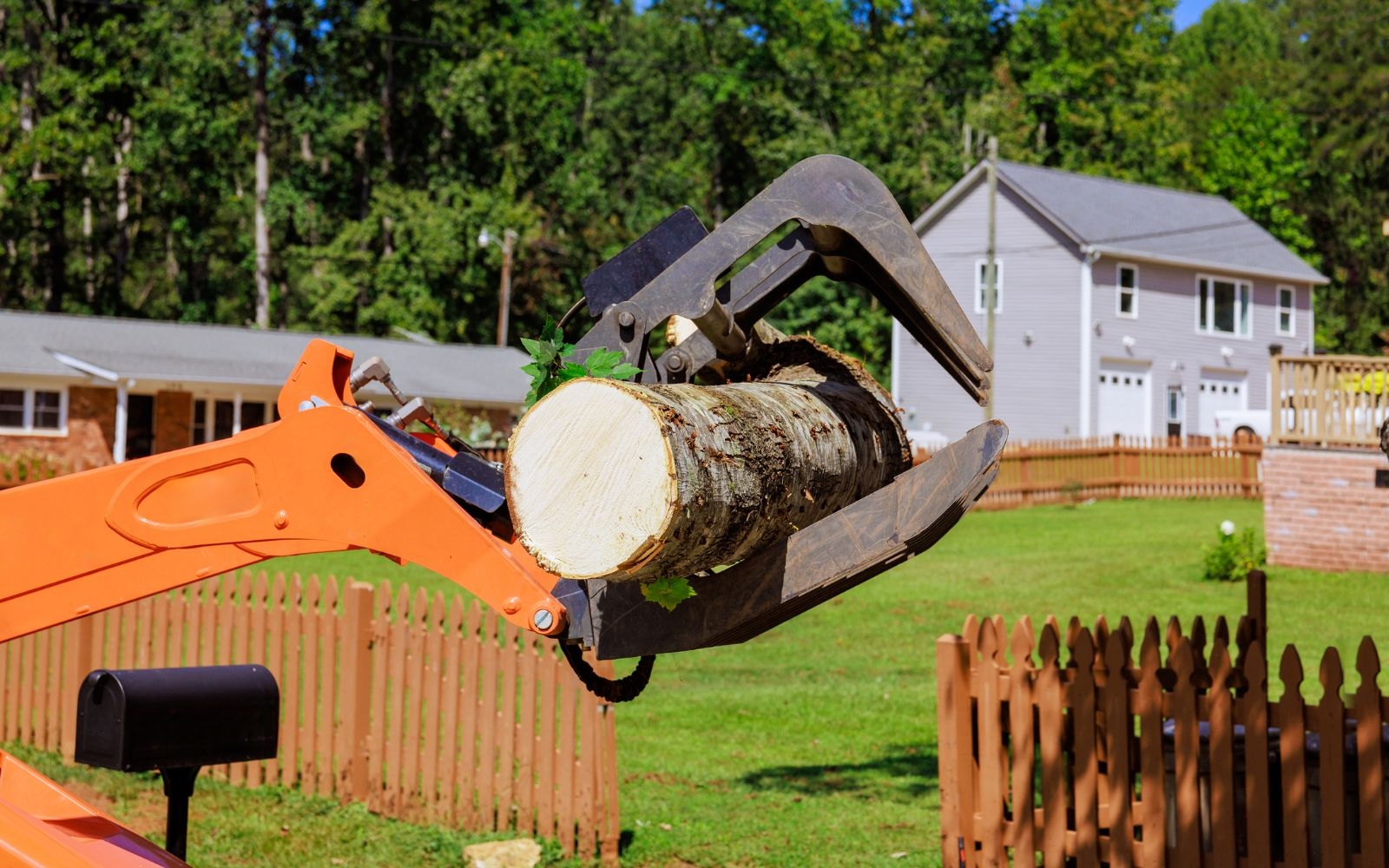
Tree Removal services by qualified staff for safe removal of trees of any size.
Tree Pruning services to enhance tree health, aesthetics, and property safety.
Tree Lopping, Cutting, and Removal for large or hazardous branches and trees.
Palm Tree Removal including stumps, fronds, leaves, seeds, and fruit.
Hedge Pruning for neat, attractive, and safe hedge growth.
Land Clearing for residential, commercial, and agricultural areas, including large-scale projects.
Block and Land Clearing for property preparation, construction, or landscaping.
Stump Grinding with modern machinery to remove all traces of tree stumps.
Commitment to protecting property and surrounding areas during tree services.
Trusted location at Unit 9/169 Beavers Rd, Northcote VIC 3070, serving Melbourne homeowners and businesses.
Use of modern, high-quality equipment and safety gear for all tree care operations.
Comprehensive insurance coverage for all services, ensuring client peace of mind.
Identification of hazards including overgrown branches, storm damage, proximity to cables, and invasive roots.
Professional handling of pest infestations and excessive or misdirected tree growth.
Efficient, experienced, and results-driven service for timely project completion.
Stump removal is a key aspect of maintaining a well-kept and safe landscape. The process involves eliminating tree stumps from the ground, which can be achieved through various methods, each with its own advantages and considerations. One of the most common techniques is stump grinding, where specialized machinery grinds the stump into small wood chips, leaving the area clean and level. This method is efficient and environmentally friendly, as the wood chips can be repurposed as mulch for gardens.
Another approach is complete stump removal, which involves excavating the entire stump, including the root system, from the ground. This method is particularly beneficial when planning to replant or when the stump is causing obstructions. However, it is more labor-intensive and may require heavy equipment, making it a less desirable option for some homeowners.
The importance of stump removal in landscaping cannot be overstated. Leftover stumps can be unsightly, detracting from the aesthetic appeal of a property. Melbourne Tree Removal Experts is a trusted provider of professional tree services across Melbourne and surrounding suburbs. With a qualified and experienced team, we specialise in safe, efficient and affordable solutions for all types of tree care needs. Whether you require complete tree removal, detailed pruning, hedge shaping or large-scale land clearing, our experts are equipped with modern machinery and industry-standard safety gear to deliver outstanding results. Melbourne Tree Removal Experts Our comprehensive service range includes tree removal for trees of any size or condition, ensuring the safety of your property and the surrounding environment. We also offer expert tree pruning to improve tree health, encourage strong growth and enhance the overall appearance of your landscape. For properties that require extensive preparation, our land-clearing services cover residential, commercial and agricultural sites. We have the heavy-duty equipment needed for larger projects, from clearing shrubs to removing mature trees.. They also pose potential hazards, such as tripping risks for people and obstacles for lawn maintenance equipment. Moreover, stumps can attract pests like termites and beetles, which can spread to healthy trees and wooden structures nearby. Removing stumps helps ensure the safety and beauty of outdoor spaces while promoting the health of surrounding vegetation.
Ultimately, selecting the appropriate stump removal method depends on the specific needs of the landscape and the preferences of the property owner. Consulting with professional stump removal services can provide valuable insights and ensure the job is completed efficiently and effectively, leaving your landscape both beautiful and safe.
Engaging experts for stump grinding and removal offers numerous advantages that make it a wise choice for homeowners and property managers alike. Firstly, professional service providers come equipped with specialized tools and machinery designed to handle stumps of all sizes and types. This ensures that the job is done efficiently and safely, minimizing any potential damage to your property or surrounding landscape.
Key Advantages of Professional Services:
Moreover, professionals possess the experience and expertise needed to tackle even the most challenging stump removal tasks. They are trained to assess the situation accurately and determine the most effective methods for removal, ensuring that the stump is completely eradicated, including the roots. This comprehensive approach prevents future issues such as regrowth or pest infestation, which can occur if the stump is not properly removed.
Time and convenience are additional advantages of hiring experts. Stump grinding and removal can be a labor-intensive and time-consuming process, especially for those without the right equipment or know-how. By entrusting the task to professionals, property owners can save countless hours of manual labor and avoid the physical strain associated with the task.
Lastly, professional services often include clean-up and disposal of the debris, leaving your property clean and ready for landscaping or other uses. This comprehensive service not only enhances the appearance of your property but also increases its value and curb appeal.
In summary, opting for professional stump grinding and removal services provides efficiency, safety, and peace of mind, making it a smart investment for maintaining a pristine and problem-free landscape.
The grinding process is a crucial step in efficiently removing stumps. It involves using a powerful machine equipped with a rotating cutting disk that chips away the wood. The grinder is positioned over the stump, and the operator carefully maneuvers it to grind the stump down to below ground level. This method is preferred because it minimizes disruption to the surrounding landscape. Additionally, it reduces the stump to small wood chips, which can be used as mulch or easily disposed of. The process is both effective and environmentally friendly.
There are various types of equipment used in stump grinding, each suited for different situations. Smaller grinders are ideal for residential areas with limited space, while larger machines are used for commercial or large-scale projects. These machines vary in power, with some offering remote control capabilities for enhanced precision. The choice of equipment depends on the size and hardness of the stump, as well as the terrain. Proper equipment selection is crucial for efficient and safe stump removal. Operators must be trained to handle these machines effectively.
Safety measures are paramount during stump grinding to prevent accidents and injuries. Operators must wear protective gear, including goggles, gloves, and helmets, to shield against flying debris. The work area should be cleared of obstacles and bystanders to ensure safety. Regular maintenance of the equipment is necessary to prevent malfunctions. Additionally, operators must be aware of underground utilities and ensure they are marked before grinding begins. Adhering to these safety protocols helps in executing the task smoothly and safely.
The environmental impact of stump grinding is generally minimal, making it a preferred method for tree removal. By grinding stumps instead of using chemicals, the process avoids soil contamination. The wood chips produced can be recycled as mulch, enriching the soil and promoting plant growth. This method also prevents the regrowth of the tree, reducing the need for further interventions. Moreover, it helps in maintaining the aesthetic appeal of the landscape. Overall, stump grinding is an eco-friendly solution for managing tree remains.
Cost consideration is a significant factor when choosing stump grinding services. The price can vary based on several factors, including the size and number of stumps, the type of equipment needed, and the location. Additional services such as debris removal may also affect the cost. It is advisable to obtain quotes from multiple service providers to compare prices and services offered. Investing in professional stump grinding can save money in the long run by preventing potential damage to property from untreated stumps. Thus, it is a cost-effective solution for effective stump removal.
When undertaking stump removal operations, prioritizing safety is crucial to prevent accidents and ensure a smooth process. One of the first steps is to assess the area around the stump. Clear the vicinity of any debris, rocks, or branches that could interfere with the machinery or pose tripping hazards. It's also important to check for underground utilities by contacting local service providers, as hitting these can lead to significant damage or injury.
Maintaining a safe distance from the grinding area is vital. Only authorized personnel should be close to the machine while it's in operation, and bystanders should be kept at a safe distance to avoid injury from debris. It's also wise to have a first-aid kit readily available and someone trained in first aid on-site in case of emergencies.
Before operating stump grinding equipment, ensure that you are thoroughly trained and familiar with the machine's operation. Reading the manufacturer's manual and adhering to all specified guidelines will help prevent misuse. Always inspect the equipment prior to use to ensure all parts are functioning correctly, and never bypass safety features designed to protect the operator.
By following these important safety steps, you can significantly reduce the risks associated with stump removal operations, ensuring a safer environment for everyone involved.
Stump grinding and removal are essential for maintaining a healthy environment and encouraging sustainable practices. When a tree is removed, the leftover stump can present several environmental challenges. These stumps may become breeding grounds for pests and fungi, which can spread to other healthy trees, disrupting the local ecosystem. By effectively grinding and removing stumps, we can eliminate these potential hazards, thereby protecting the surrounding vegetation and wildlife.
Benefits of Stump Grinding:
Moreover, stump grinding is a more environmentally friendly method compared to traditional stump removal. Grinding the stump into mulch not only avoids the use of harsh chemicals but also contributes to soil enrichment. The mulch produced can be used to improve soil quality, retain moisture, and reduce the need for synthetic fertilizers, thereby supporting sustainable landscaping practices.
Additionally, stump removal aids in land reclamation, allowing for the planting of new trees and vegetation. This contributes to carbon sequestration, which is vital in combating climate change. By replacing old stumps with new plantings, we can enhance biodiversity and create habitats for various species, promoting a balanced ecosystem.
Furthermore, opting for professional stump grinding services ensures that the process is carried out efficiently and with minimal environmental impact. Professionals use equipment designed to minimize soil disturbance and adhere to best practices that align with sustainability goals. By choosing sustainable stump grinding and removal services, individuals and communities can foster a healthier environment while also contributing to broader conservation efforts.
When considering stump grinding and removal services, understanding the pricing structures and the factors influencing costs is crucial for budgeting effectively. Stump removal costs can vary significantly based on several key elements. Firstly, the size of the stump is a major determinant; larger stumps require more time and effort to remove, thereby increasing the cost. Additionally, the type of tree can also influence the price, as some wood types are denser and more challenging to grind down.
Location is another important factor. If the stump is in a hard-to-reach area, such as a backyard with limited access, additional equipment or labor may be required, which can increase costs. Similarly, the root system's complexity and depth can affect the pricing, as more intricate root systems take longer to remove completely.
Another aspect to consider is the condition of the stump. A decaying or rotting stump might be easier and cheaper to remove than a fresh, solid one. Moreover, the number of stumps being removed can influence the total cost. Many companies offer discounts for multiple stump removals, providing a more cost-effective solution for larger properties.
It's also worth noting that some companies may charge a flat rate, while others might bill hourly. Understanding these pricing structures can help you choose a service that aligns with your budget. To ensure you receive a fair price, it's advisable to get quotes from multiple providers and inquire about any additional fees, such as debris removal or site cleanup, which might not be included in the initial estimate.
By being informed about these cost factors, you can better navigate the market and select a stump removal service that meets your needs without straining your budget.
When it comes to stump grinding and removal, selecting a reliable service provider can make all the difference in ensuring a smooth and efficient process. To begin with, it's essential to conduct thorough research on potential companies. Look for businesses with a solid reputation, which can often be determined by reading online reviews and testimonials from previous clients. A company with consistently positive feedback is likely to provide quality service.
Experience is another critical factor. A company that has been in the industry for several years is more likely to have encountered a variety of stump-related challenges and will know how to handle them effectively. Additionally, inquire about the equipment they use. Modern, well-maintained machinery can significantly impact the efficiency and safety of the stump grinding process.
Key Considerations When Choosing a Provider:
It's also important to verify that the company is fully licensed and insured. This not only ensures that they are operating legally but also protects you from liability in case of any accidents or damages during the service. Don't hesitate to ask for proof of insurance and licensing before making a decision.
Moreover, consider the range of services offered. Some companies might provide additional landscaping or tree care services, which can be beneficial if you require more than just stump removal. Finally, obtain multiple quotes to compare pricing, but remember that the cheapest option is not always the best. Consider the value offered in terms of expertise, service quality, and reliability.
By following these guidelines, you can select a stump grinding service that meets your needs and ensures the job is done efficiently and professionally.
Once the stump has been expertly removed, it's crucial to focus on restoring the landscape to its former glory, or even enhancing its aesthetics. The initial step involves clearing the area of any remaining debris, such as wood chips and roots, to create a clean canvas. This is vital, as leftover debris can hinder new plant growth and disrupt the soil's nutrient balance.
Next, assess the soil condition. Stump removal can sometimes lead to soil compaction or nutrient depletion. Consider aerating the soil to improve its structure and facilitate better water and nutrient absorption. Adding organic matter, like compost or well-rotted manure, can replenish essential nutrients and promote a healthy, fertile ground.
Now, envision the new look of your landscape. Whether you plan to plant grass, flowers, or shrubs, selecting the right species for your climate and soil type is essential. For grass, choose a blend that suits your lawn's sunlight exposure and foot traffic. When planting flowers or shrubs, consider native species, as they typically require less maintenance and are more resilient to local pests and diseases.
Finally, establish a regular maintenance routine. Watering, fertilizing, and mulching are key to sustaining the health and appearance of your landscape. Mulching not only conserves moisture but also suppresses weeds, keeping your landscape looking neat and tidy. Over time, these efforts will transform the area into a lush, vibrant space that enhances the overall beauty of your property.
Stump grinding, while an effective method for removing tree stumps, can present several challenges that need careful attention to ensure successful removal. One common issue is the presence of rocks and debris surrounding the stump. These obstacles can damage the grinding equipment, leading to increased maintenance costs and potential delays. It's essential to clear the area of any loose debris before beginning the grinding process to prevent equipment damage and ensure safety.
Key Considerations for Stump Grinding:
Another challenge is dealing with stumps that are located on uneven or sloped terrain. Operating heavy machinery on such surfaces can be hazardous and requires skilled handling to avoid accidents. In these situations, it may be necessary to stabilize the equipment or use specialized machinery designed for uneven ground to maintain safety and efficiency.
Hardwood stumps can also pose a significant challenge due to their density and toughness. These types of stumps require more time and effort to grind down completely. Using the appropriate grinding equipment with sharp and durable blades is crucial in tackling hardwood stumps effectively. Regular maintenance and sharpening of blades can facilitate smoother operations and extend the lifespan of the machinery.
Lastly, ensuring complete removal of the stump's root system can be difficult, especially for larger trees with extensive root networks. Incomplete removal may lead to regrowth or attract pests, causing further issues down the line. Employing a thorough grinding process that addresses both the visible stump and its roots can prevent these problems and promote a healthier landscape.
By identifying and addressing these typical issues, property owners and service providers can enhance the efficiency and safety of stump grinding operations, ensuring a clean and obstacle-free environment.


Tree care is the application of arboricultural methods like pruning, trimming, and felling/thinning[1] in built environments. Road verge, greenways, backyard and park woody vegetation are at the center of attention for the tree care industry. Landscape architecture and urban forestry[2][3] also set high demands on professional tree care. High safety standards against the dangers of tree care have helped the industry evolve. Especially felling in space-limited environments poses significant risks: the vicinity of power or telephone lines, insufficient protective gear (against falling dead wood, chainsaw wounds, etc.) and narrow felling zones with endangered nearby buildings, parking cars, etc. The required equipment and experience usually transcends private means and is often considered too costly as a permanent part of the public infrastructure. In singular cases, traditional tools like handsaws may suffice, but large-scale tree care usually calls for heavy machinery like cranes, bucket trucks, harvesters, and woodchippers.
Road side trees are especially prone to abiotic stress by exhaust fumes, toxic road debris, soil compaction, and drought which makes them susceptible to fungal infections and various plant pests[4] like the spotted lantern fly.[5] When tree removal is not an option, because of road ecology considerations, the main challenge is to achieve road safety (visibility of road signs, blockage-free lanes, etc.) while maintaining tree health.

While the perceived risk of death by falling trees (a part of the "tree risk" complex) is influenced by media and often hyped (the objective risk has been reported to be close to 1 : 10.000.000, almost as low as death by lightning),[6] singular events have encouraged a "proactive" stance so that even lightly damaged trees are likely to be removed in urban and public traffic surroundings.[3] As a tree ages and nears the end of its safe useful life expectancy (SULE),[7] its perceived amenity value is decreased greatly. A risk assessment normally carried out by local council's arborist to determine the best course of action.[8] As with all public green spaces, trees in green urban spaces and their careful conservation is sometimes in conflict with aggressive urban development even though it is often understood how urban trees contribute to liveability of suburbs and cities both objectively (reduction of urban heat island effect, etc.) and subjectively.[9][10][11][12] Tree planting programs implemented by a growing number of cities, local councils and organizations is mitigating the losses and in most cases increasing the number of trees in suburbia.[13] Programs include the planting of 2 trees for every 1 tree removed, while some councils are paying land owners to keep trees instead of removing them for farming or construction.[14]
The voluntary industry consensus standards developed by TCIA, resulted in the ANSI A300 standard, the generally accepted industry standard for tree care practices including trees, shrubs, and other woody plants.[15] It includes the following parts:
Urban Forestry maintains 4.1 million trees on public property, which includes an estimated 3.5 million trees within Toronto's parks and ravines, and approximately 600,000 trees on City streets. ... The focus of our maintenance service is shifting progressively from reactive maintenance to proactive maintenance.
cite web: CS1 maint: multiple names: authors list (link)Ho Chi Minh City has announced a plan to move and cut down 300 trees on Ton Duc Thang Street in District 1 to make space for a bridge connecting to District 2 and a metro station.